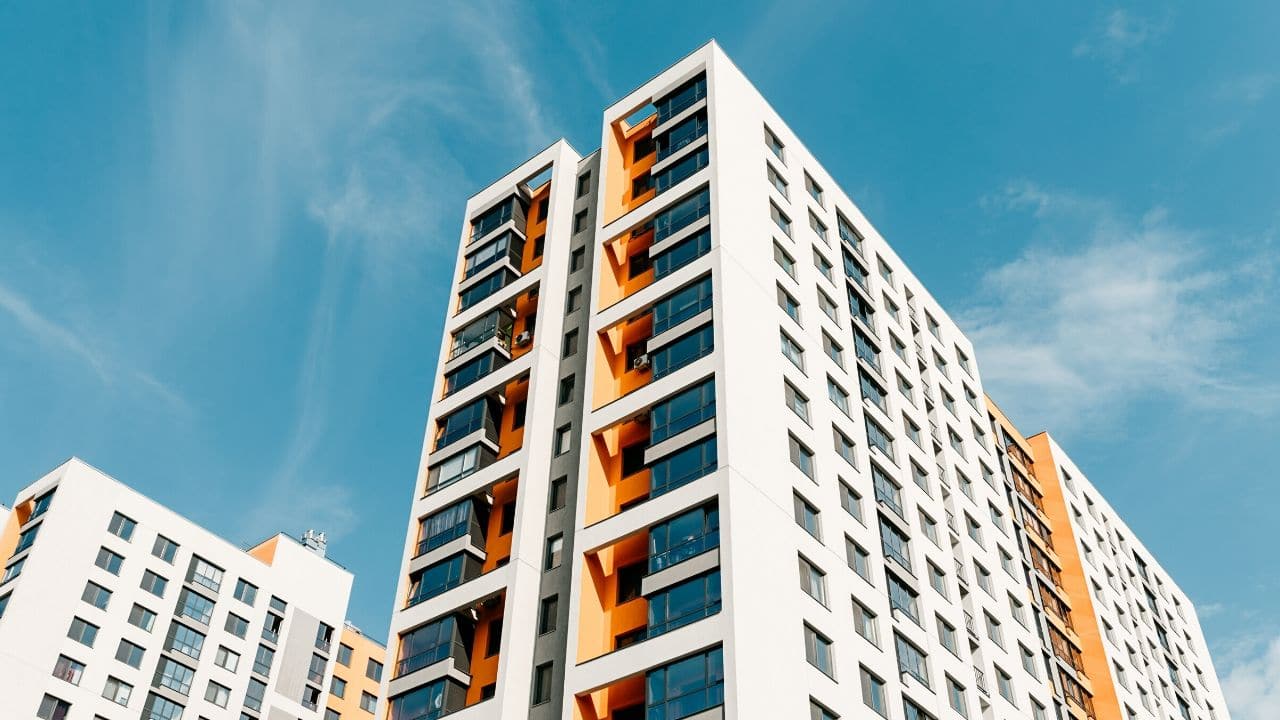
Buy an Apartment in Vietnam
Foreigners have shown growing interest in Vietnam’s real estate market, not just for living, but also for long term investment or relocation. The law does allow foreigners to buy an apartment in Vietnam, but the process is sometimes not straight forward.
There are ownership limits, project eligibility rules, and strict regulations about how an apartment can be used. Some projects may not be legally open to foreign buyers. Others have unclear ownership structures, which could create long delays or real estate disputes later.
In here, we discuss several issue, giving some hints on what to check, what to avoid, and how to protect your rights when you decide to buy an apartment in Vietnam.
For a broader view of the legal risks, including nominee traps, lease-vs-sale distinctions, and buyer-category errors, see our guide on 7 legal mistakes when you buy property in Vietnam as a foreigner.
Under Vietnamese law, foreigners are allowed to buy an apartment in Vietnam in specific conditions. Ownership is permitted only in commercial housing projects approved by competent authorities.
Here are the main points every buyer should know:
If you plan to buy, it is crucial to confirm the project’s eligibility before paying a deposit. This verification prevents unnecessary risk.
Many foreign buyers assume that once a developer offers a unit, the transaction is automatically legal. Unfortunately, that’s not always true. Below are the most frequent risks observed in practice.
Some developers market apartments to foreigners even though the project has not yet received permission to sell to foreign individuals. This can later lead to cancellation or loss of deposit.
When projects are not eligible for foreign ownership, some developers use long term rental contracts (often 50 years) as a substitute for a sale contract. Legally, this is not ownership, it is a lease. The buyer cannot register ownership or sell it later as property.
A developer may not have all the required certificates such as the investment registration certificate, construction permit, or land use right certificate. Without these, ownership registration can be delayed or denied.
Apartments in residential buildings can only be used for living. Turning them into offices or using them for short term online accommodation activities violates housing regulations. Such operations require separate business licenses, fire safety approvals, and tax declarations.
Paying in foreign currency or to personal accounts instead of authorized developer accounts can cause regulatory and tax issues. All payments should go through licensed Vietnamese banks under the buyer’s name.
The buying process may look simple, but each step involves specific legal documents and careful review. Here is a general outline of what to expect.
Before you begin, decide whether your goal is to live, rent, or invest.
If your purpose involves generating income, make sure the building’s legal status allows leasing, especially for short term or serviced apartment style operations.
Ask the developer whether:
This early check will save time and prevent potential legal conflicts.
Request the developer’s official documents, including:
A reliable developer will have these documents ready and be transparent about their contents. If the developer hesitates or delays, that is a warning sign.
The SPA is the central document defining your ownership rights. It should be bilingual (Vietnamese and English) and include:
Always have the draft SPA reviewed by a qualified lawyer before signing. Small wording differences can significantly affect your rights, especially concerning refund conditions or penalties.
Most developers require a deposit (around 5–10% of the purchase price) to reserve a unit. The deposit agreement must clearly state:
For off plan projects, payments are typically divided into several stages tied to construction progress. You should:
Before handover, inspect the apartment carefully:
The handover report should include the date, names of parties, and confirmation of apartment condition. Only sign after you are satisfied.
Once the apartment is handed over and payment is complete, the developer must support you in applying for the ownership certificate, commonly called the “Pink Book.”
This certificate, issued by the Department of Natural Resources and Environment, proves your ownership. It records:
Foreign buyers should ask the developer for a clear timeline and written confirmation of when the pink book will be issued. In some cases, delay happens because the developer has not completed tax obligations or legal procedures.
Even after obtaining ownership, foreign buyers have ongoing obligations:
Proper record keeping ensures smooth renewal, resale, or inheritance later.
Residential apartments are governed by Vietnam’s Housing Law, which defines their use strictly for living purposes.
If an owner uses the apartment for short term stays through online accommodation platforms, this activity is considered a commercial use and subject to different licensing. It may require:
Without these, authorities may impose administrative fines or request suspension. This is why buyers intending to lease should clarify the project’s intended use at the start. Some mixed use or serviced apartment developments are legally structured to permit such operations, but most residential condominiums are not.
Before you buy an apartment in Vietnam, undertake due diligence and check the following items carefully:
| No. | Item to Verify | Why It Matters |
| 1 | Project eligibility for foreign ownership | Only approved projects can sell to foreigners |
| 2 | Developer’s IRC, construction permit, and land use certificate | Confirms the project’s legal existence |
| 3 | Foreign ownership quota remaining | Ensures your unit can be registered |
| 4 | Draft SPA reviewed in both languages | Prevents contract disputes |
| 5 | Deposit and payment method via official bank | Ensures transaction legality |
| 6 | Handover inspection checklist | Protects your rights on defects |
| 7 | Pink book issuance timeline | Confirms ownership security |
| 8 | Restrictions on use (living vs leasing) | Avoids administrative penalties |
Completing this checklist reduces exposure to hidden legal problems and helps ensure that your purchase proceeds smoothly.
Q1. Can foreigners really own apartments in Vietnam?
Yes. Foreigners may buy an apartment in Vietnam in approved projects, within the 30% ownership limit of a building.
Q2. How long is ownership valid?
Usually 50 years, renewable upon request to the authorities. The renewal is generally straightforward if you continue to meet eligibility requirements.
Q3. Can I buy multiple apartments?
Yes, provided that total ownership by foreigners in the building does not exceed the legal limit.
Q4. Can I lease my apartment?
You can lease it on a long term basis and pay income tax on the rent. Short term online leasing is considered a business activity and may need additional licensing.
Q5. Can I sell the apartment before the 50 year term expires?
Yes, you can transfer ownership to another eligible buyer. The buyer’s ownership period will continue for the remaining years of the original term.
Q6. What taxes apply when buying or selling?
Buyers pay registration and notary fees. Sellers pay a 2% transfer tax on the sale price. Rental income is also taxable.
Q7. What is the difference between a sale contract and a 50 year lease contract?
A sale contract grants ownership registered with a pink book. A 50 year lease gives only usage rights for the duration of the lease and cannot be transferred as ownership.
Q8. Can I finance my purchase through a local bank?
Some banks offer limited financing for foreigners with long term visas or local income. However, most foreign buyers purchase with cash or funds transferred from abroad.
Q9. What happens if the developer delays handover or pink book issuance?
The SPA usually provides for penalties or compensation. You can enforce the terms through negotiation or, in serious cases, legal proceedings.
Q10. Can I inherit or transfer my apartment to my family?
Yes, inheritance by eligible heirs is allowed. If the heir is a foreigner, they must also meet eligibility conditions or sell the property.
Buying property in a foreign country always involves more than signing a contract. In Vietnam, the key challenge is understanding what you can legally own and how to maintain that ownership safely.
When you plan to buy an apartment in Vietnam, focus on the legal foundation rather than marketing promises. Ensure the project is eligible for foreign ownership, verify documents, and make payments only after clear approval.
With careful preparation and accurate information, foreign buyers can navigate Vietnam’s legal system confidently and avoid unnecessary risks. The process requires patience and attention to detail, but the reward is secure ownership in compliance with local law.
We help clients overcome cultural barriers and achieve their strategic and financial outcomes, while ensuring the best interest protection, risk mitigation and regulatory compliance. ANT Lawyers has lawyers in Ho Chi Minh city, Hanoi, and Danang, and will help customers in doing business in Vietnam.
How ANT Lawyers Could Help Your Business?
You could reach ANT Lawyers for advice via email ant@antlawyers.vn or call our office at (+84) 24 730 86 529
A data project can be technically successful yet still face legal and commercial barriers to…
After a PCT application enters the national phase in Vietnam, the applicant must complete the…
A company with an international patent application must complete a local filing step if it…
A conflicting trademark application can affect sales and distribution plans in Vietnam. The brand owner…
When the Intellectual Property Office of Vietnam (IP Vietnam) raises an objection to a trademark…
Before committing to an investment in a free trade zone (FTZ), a foreign investor needs…
This website uses cookies.